dingbo@dieselgeneratortech.com
+86 134 8102 4441

- Home
- Products
- About Us
- Service
- News
- Technical Support
- Contact Us
dingbo@dieselgeneratortech.com
+86 134 8102 4441
Jun. 27, 2026
In mining, infrastructure, metallurgy and other operational scenarios, diesel generator sets are subjected to harsh conditions of high temperature and dust for a long time. High temperature can easily cause thermal overload, oil aging, and heat dissipation failure of the unit. Dust can easily block pipeline filters and wear precision components. The combination of these two factors can lead to power attenuation, increased fuel consumption, frequent failures, and in severe cases, problems such as cylinder pulling and sudden shutdown. To ensure the safe and stable operation of the equipment, Dingbo has sorted out the core operation and maintenance points of the generator set in high-temperature and dusty environments.
1.Air Intake System: Enhance Dust Filtration to Reduce Component Wear
Dust is the primary cause of engine wear, while high temperatures accelerate air filter clogging. For heavily dusty operating conditions, install a three-stage filtration system consisting of a cyclone pre-filter, primary filter element and safety filter element to improve air intake purification. Shorten routine maintenance intervals: clean dust buildup on the pre-filter every week, and inspect the primary filter element every 50 operating hours. Light dust deposits may be cleared by reverse blowing with compressed air. Replace the filter element immediately if it turns black or gets damaged. Regularly inspect air intake pipes and sealing strips to prevent air leakage and dust ingress. Locate air inlets away from dust sources and recirculating hot air zones.
2. Cooling System: Ensure Smooth Heat Dissipation and Prevent
Overheating Clogged cooling air ducts caused by dust, high ambient temperature and overload are the main triggers of unit overheating faults. Clear dust and debris accumulated on radiators and cooling fins before daily startup to guarantee unobstructed heat dissipation. Regularly check the cooling fan and belt condition; adjust belt tension timely and replace aged or damaged parts to ensure the forced cooling system functions properly. The unit shall adopt 50:50 ethylene glycol coolant; filling with clean water is strictly prohibited. Check the coolant liquid level daily and replace deteriorated coolant periodically to avoid pipeline scaling and blockage. Control the operating water temperature strictly within 80–95°C. Reduce load promptly once overheating occurs; shut down the diesel genset immediately for troubleshooting if the temperature exceeds 98°C. Forced operation under overheating conditions is forbidden.
2. Fluid System: Strictly Control Oil Quality to Cut Equipment Wear
High temperatures accelerate fluid aging, and dust mixed into oils forms abrasive contaminants that aggravate equipment wear. For fuel: Adopt high-temperature-resistant premium diesel. Ensure tight fuel tank sealing, refuel away from dusty areas, regularly drain water and impurities from the tank, and shorten fuel filter replacement cycles to avoid poor fuel supply and carbon buildup from incomplete combustion. For engine oil: Use special engine oil matching the working conditions. Mixing different oil grades is prohibited. Shorten replacement intervals for engine oil and oil filters. Replace oil right away if it turns black, becomes turbid or has abnormal viscosity, so as to maintain a clean and efficient lubrication system.
3. Environment & Equipment Protection: Optimize Working Conditions to Isolate Harsh Impacts
Adopt closed dust-proof plus forced ventilation design for the generator room. Seal gaps around doors and windows and install exhaust fans to timely discharge high-temperature waste gas and draw in clean fresh air, preventing heat accumulation inside the room. For outdoor operation, set up sunshade and dust-proof shelters to shield the unit from direct sunlight and flying dust. Fully cover the unit for dust prevention when idle. Regularly clear dust on the alternator, control cabinet and wiring terminals to avoid electrical faults such as reduced insulation, poor contact and short-circuit tripping caused by dust accumulation.
4. Standard Operating Procedures to Avoid Working-Condition Failures
Standardized operation under harsh conditions can effectively reduce equipment wear. After startup, run the unit with no-load preheating for 3–5 minutes. Apply load gradually by stages after parameters stabilize; direct full-load startup is forbidden. Long-term overloaded operation is not allowed under high-temperature environments. Before shutdown, operate at no load for 3–8 minutes. Cut off power only after the unit temperature drops and the turbocharger finishes heat dissipation, to prevent component damage from residual high heat. Meanwhile, avoid prolonged idling to stop pipeline blockage by carbon deposits.
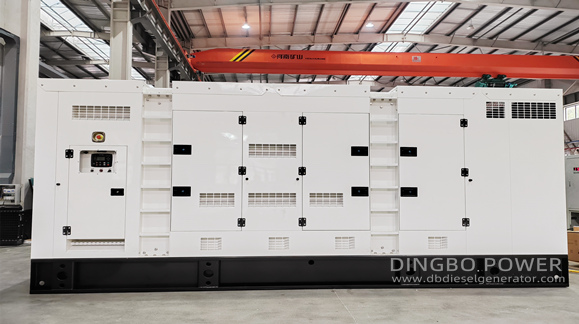
Conventional maintenance standards cannot adapt to high-temperature and dusty working conditions, hence inspection frequencies shall be increased. Daily inspections shall be performed on air intake/exhaust, cooling and fluid systems to check pipeline sealing and fastening conditions. Core parameters including water temperature, oil pressure and operating power shall be monitored in real time. Any abnormal noises, leakages, blockages and other faults shall be addressed promptly upon detection. The replacement cycles of filter elements, lubricants and seals shall be flexibly shortened in accordance with on-site working conditions. Regular deep dust removal shall be conducted on equipment air ducts and electrical systems, and all types of protection devices shall be calibrated to guarantee reliable operation of the Cummins generating set.
High-temperature and dusty environments cause cumulative and continuous wear and tear on generator sets. The core of operation and maintenance lies in source dust prevention, efficient heat dissipation, standardized operation and refined maintenance. Implementation of all protection and maintenance measures can effectively reduce equipment failure rates, slow down unit aging, and ensure safe, stable and long-term operation of diesel generator sets under harsh working conditions.
How Much Does A Diesel Generator Cost?
Sep. 18, 2026
Quicklink
Mob.: +86 134 8102 4441
Tel.: +86 771 5805 269
Fax: +86 771 5805 259
E-mail: dingbo@dieselgeneratortech.com
WhatsApp: +86 134 8102 4441
Add.: No. 10 Kechuang Road, High tech Zone, Nanning, Guangxi, China
Get in Touch
Enter your email and receive the latest news from us.