dingbo@dieselgeneratortech.com
+86 134 8102 4441

- Home
- Products
- About Us
- Service
- News
- Technical Support
- Contact Us
dingbo@dieselgeneratortech.com
+86 134 8102 4441
Jan. 09, 2026
A reliable cooling system is the unsung hero of any diesel generator set. It ensures stable operating temperatures, prevents catastrophic engine damage, and is fundamental to achieving the genset rated power output and lifespan. The primary liquid-cooled system comprises four key components working in harmony: the Water Pump, Thermostat, Radiator, and Fan. Understanding their roles and maintenance requirements is crucial for preventing downtime and costly repairs.
Function: The water pump is the central circulatory device, driven by the engine crankshaft via a belt. It creates continuous pressure, forcing coolant to flow through the engine block and cylinder head. Its impeller draws coolant from the radiator's bottom tank, pumps it through the engine's water jackets to absorb combustion heat, and then sends the heated fluid toward the radiator for cooling. Without its constant flow, heat would rapidly localize, causing overheating of diesel generator and severe engine damage.
Key Maintenance Notes:
· Belt Inspection: Regularly check the drive belt of diesel generating set for tension, cracks, or glazing. A loose belt will cause slippage, reducing pump speed and coolant flow, leading to overheating. A failed belt stops the pump entirely.
· Bearing & Seal: Listen for unusual whining or grinding noises from the pump bearing. Check for coolant leaks around the pump shaft seal. Both indicate impending pump failure and require immediate attention.
· Corrosion Prevention: Use the correct coolant mixture (with anti-corrosion inhibitors). Contaminated or poor-quality coolant can corrode the pump's impeller and housing, reducing efficiency.
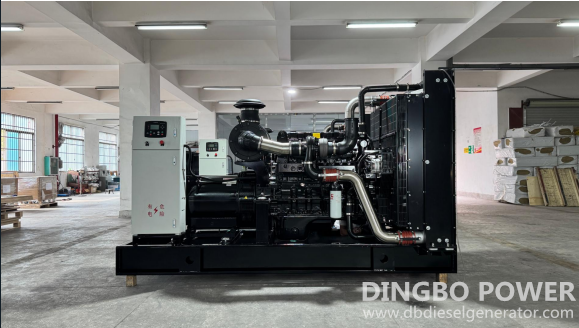
Function: The thermostat of diesel generator set is a temperature-sensitive valve located between the engine and the radiator. Its job is to regulate coolant flow to achieve optimal engine temperature quickly and maintain it. When the engine is cold, the thermostat remains closed, blocking coolant flow to the radiator and allowing the engine to warm up rapidly. Once the coolant reaches a preset temperature (typically 82-92°C or 180-195°F), the thermostat's wax pellet expands, gradually opening the valve. This allows hot coolant to circulate to the radiator while mixing with cooler coolant returning from it, maintaining a precise thermal balance.
· Key Maintenance Notes:
· Failure Modes: A thermostat stuck closed will cause rapid overheating, as coolant cannot reach the radiator. A thermostat stuck open results in prolonged warm-up times and the engine running too cool, increasing fuel consumption, accelerating wear, and causing incomplete combustion.
· Testing: If temperature gauge readings are abnormal (consistently too high or too low), the thermostat is a primary suspect. It can be tested by placing it in hot water to see if it opens at the specified temperature.
· Replacement: Replace thermostats at recommended intervals. Always use the specified temperature rating for your engine model.
Function: The radiator is a heat exchanger. Its core consists of numerous small tubes and fins that provide a large surface area. As hot coolant from the engine flows through the tubes, the heat is transferred to the fins. The fan draws ambient air across these fins, dissipating the heat into the atmosphere and cooling the diesel generator coolant before it is recirculated by the water pump.
Key Maintenance Notes:
· Cleanliness is Critical: Ensure both the exterior and interior are clean. Externally, clogged fins from dust, debris, or insects drastically reduce airflow and heat dissipation. Clean regularly with low-pressure air or water from the fan side. Internally, scale, rust, or sediment buildup insulates the tubes and restricts coolant flow.
· Leak Inspection: Regularly check for cracks, leaks, or corrosion, especially at inlet/outlet connections and side tanks. Pressure test the cooling system periodically.
· Coolant Level: Maintain the proper coolant level in the expansion tank. Never open the radiator cap when the engine is hot.
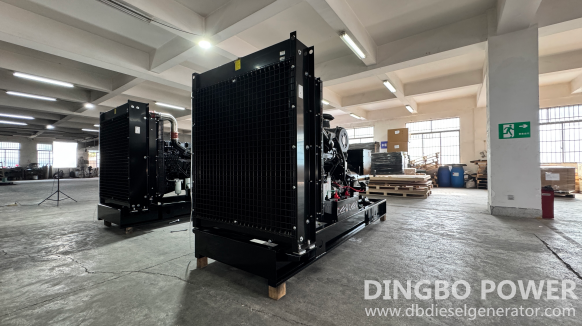
Function: The fan creates the forced airflow necessary to pull or push air through the radiator core. In gensets, fans are typically belt-driven (from the engine) or electrically operated (with a separate motor). Its efficiency directly determines how much heat the radiator can reject, especially in high ambient temperatures or under full load.
Key Maintenance Notes:
· Drive Mechanism: For belt-driven fans, inspect the belt (as with the water pump). For electric fans, check the motor operation, wiring, and thermal switches/sensors that activate it.
· Fan Integrity: Check for blade damage, cracks, or imbalance, which can cause vibration and bearing failure. Ensure the fan shroud is intact and properly positioned to direct all airflow through the radiator.
· Airflow Path: Keep the area around the diesel genset, especially the air intake and exhaust vents, clear of obstructions to allow unimpeded airflow.
· Coolant Quality: Use a balanced mixture of high-quality inhibited coolant and deionized/soft water as per the Dingbo's recommendation. Change coolant at specified intervals to maintain its anti-corrosion, anti-scale, and anti-freeze properties.
· System Flushing: Perform a complete system flush when replacing coolant or if contamination is suspected.
· Operational Monitoring: Make it a routine to check the coolant temperature gauge and coolant level before and during operation. Any persistent deviation from normal temperature range warrants immediate investigation.
By giving dedicated attention to these four components and adhering to these maintenance guidelines, you ensure your diesel genset's cooling system operates at peak efficiency. This proactive approach safeguards your engine investment, guarantees reliable power when you need it most, and minimizes the risk of unexpected and expensive failures. Remember, effective cooling is not optional—it is essential for performance and longevity.
Quicklink
Mob.: +86 134 8102 4441
Tel.: +86 771 5805 269
Fax: +86 771 5805 259
E-mail: dingbo@dieselgeneratortech.com
WhatsApp: +86 134 8102 4441
Add.: No. 10 Kechuang Road, High tech Zone, Nanning, Guangxi, China
Get in Touch
Enter your email and receive the latest news from us.